Review design data
The study pulled design, material, pressure, and installation information to define the technical basis of the PE pipeline system before risk scoring.
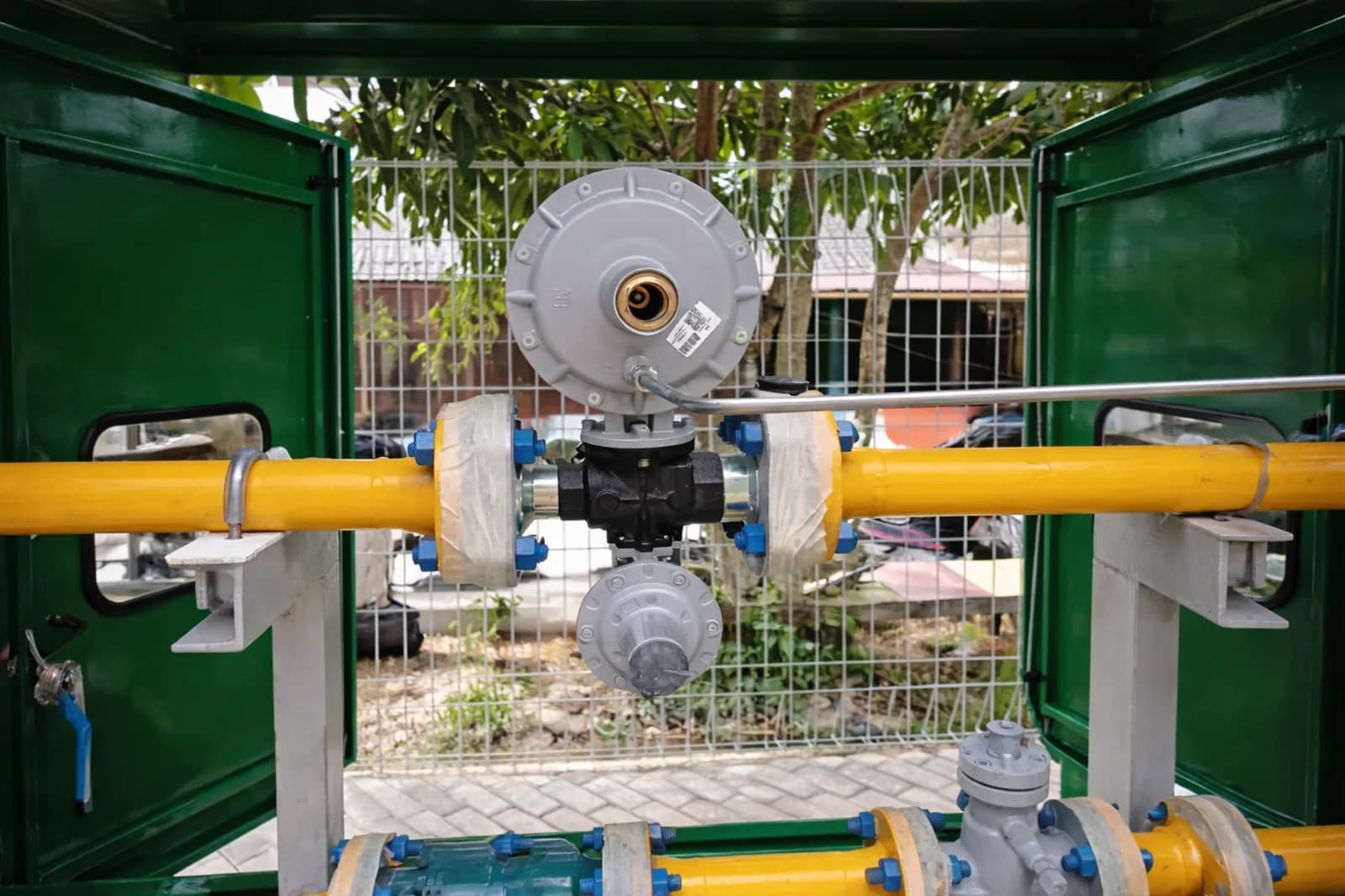
A structured risk assessment for an existing gas distribution pipeline, focused on probability of failure, consequence mapping, and practical mitigation priorities.
This project was developed to evaluate the integrity and operating risk of an existing PE 180 mm gas distribution pipeline in Surabaya. The work centered on design data review, management-risk framing, and qualitative-to-quantitative risk logic so the client could gain a clearer basis for safety decisions and technical follow-up.
The study pulled design, material, pressure, and installation information to define the technical basis of the PE pipeline system before risk scoring.
Field inspection was used to verify the actual condition of the buried line and to review surrounding exposure and right-of-way context.
Probability and consequence of failure were assessed and translated into a practical recommendation set for safer continued operation.
The pipeline required a stronger risk narrative that could bridge design assumptions, field condition, operational control, and documented safety obligations without turning the assessment into a disconnected compliance exercise.
We organized the work around failure-factor breakdown, probability and consequence scoring, and a readable risk summary that supported inspection planning and mitigation prioritization for continued operation.
The report records stable design data for material, wall thickness, pressure range, and MAOP, which makes the risk narrative easier to communicate in the web UI.
The study places strong emphasis on surrounding exposure, underground utility mapping, and leak detection during early operation.
Educate nearby residents about hazardous areas and possible failure scenarios during pipeline operation.
Re-evaluate pressure control and safety systems so no pressure excursion exceeds the original design basis.
Apply strict document control and review operational-event history regularly.
Map and mark all underground utilities correctly.
Run intensive leak survey during the early operation phase.