Recalculate vessel integrity basis
The RLA recalculates thickness and pressure-vessel capability against applicable code requirements rather than relying only on age or certificate status.
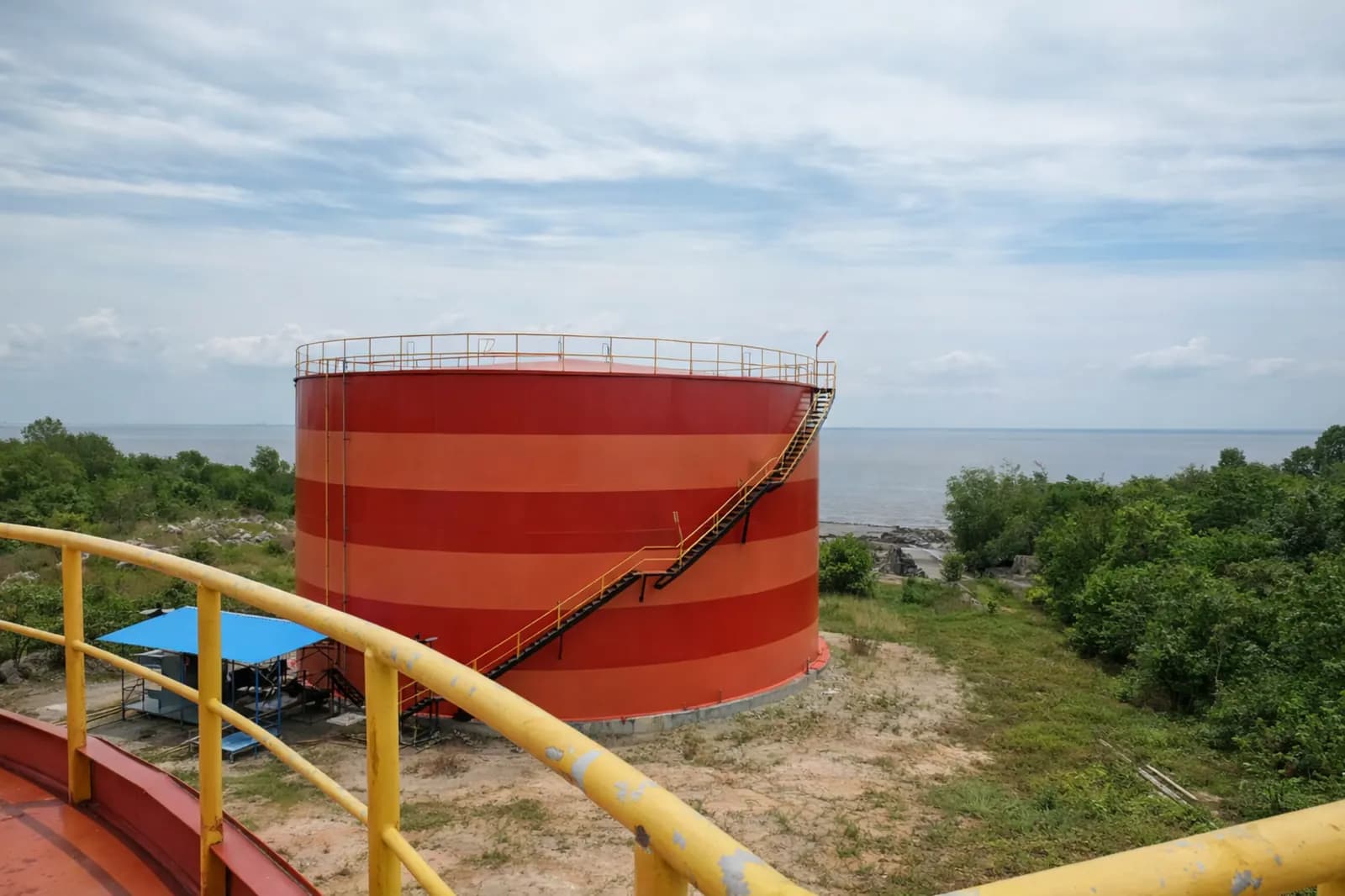
A residual life assessment for an LPG transport tank, focused on vessel integrity, operating suitability, and periodic inspection planning.
This project evaluated the continued serviceability of an LPG transport tank used for fuel transport and temporary storage. The review covered vessel identity and parameters, integrity interpretation, recommended operating envelope, and inspection interval planning as part of a structured life-extension basis.
The RLA recalculates thickness and pressure-vessel capability against applicable code requirements rather than relying only on age or certificate status.
The report maps likely degradation modes, inspection method, and next inspection interval based on the service condition of the transport tank.
The final output links integrity status, MAWP, risk category, and maintenance actions into an operationally useful summary.
The client needed a practical integrity conclusion for a transport asset where operating continuity depended on both mechanical condition and a defensible inspection strategy.
We translated the available equipment data and integrity basis into a clearer operating recommendation supported by inspection interval guidance and pressure-vessel references appropriate to the asset duty.
The report concludes the tank is generally in good condition for service, with MAWP 20.16 kg/cm² and a 10-year residual-life decision basis.
External corrosion and general corrosion were identified as the relevant thinning mechanisms, while the overall qualitative risk was still categorized as medium.
Perform regular inspection and maintenance to detect leakage, external corrosion, equipment damage, and other abnormal conditions.
Apply coating to areas showing corrosion indication to slow down external corrosion.
Mark the thickness-measurement points so future UT readings are taken at the same locations.
Keep operation aligned with SOP and risk-management discipline.
Ensure operating pressure never exceeds the MAWP of the vessel.