Collect actual field parameters
The reverse-engineering workflow begins by gathering site data, operating parameters, and available equipment information from the installed pump system.
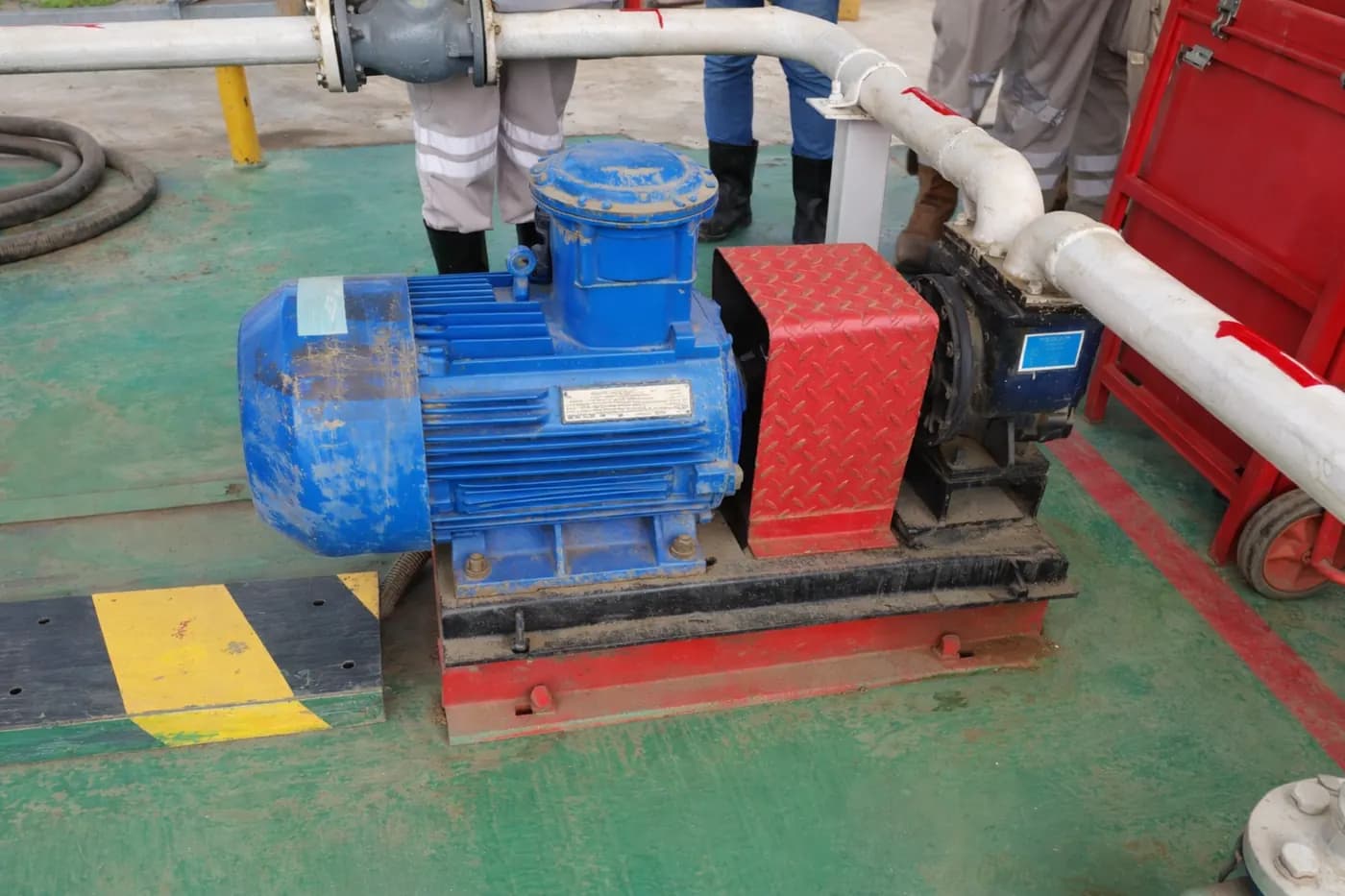
A reverse-engineering package for a transfer pump system, covering operating parameters, recalculation, redraw support, and maintenance-oriented documentation.
This project reconstructed the engineering basis of Transfer Pump P-01 through field parameter review, operating-condition capture, calculation checks, and technical redraw support. The intent was to turn scattered equipment information into a usable package for maintenance, review, and future technical reference.
The reverse-engineering workflow begins by gathering site data, operating parameters, and available equipment information from the installed pump system.
The report reconstructs the technical basis through datasheet preparation, pumping simulation, NPSH review, and supporting mechanical calculations.
The outcome is not limited to narrative analysis: the assignment also rebuilds the drawing basis and final documentation for future engineering reference.
The client needed a trustworthy engineering record for a working rotating asset while keeping the output grounded in actual operating parameters rather than generic catalogue assumptions.
We combined field data, pump calculation logic, visual review, and technical documentation into a cleaner reverse-engineering output that supported maintenance planning and future inspection activities.
The report concludes that the pump performance remains aligned with the working specification and that the driver can still support the operating requirement.
Visual inspection recorded good pump, driver, grounding, and foundation condition, while the connected piping was noted as corroded.
Carry out routine inspection on the equipment.
Maintain the pump according to the equipment manual.
Document operating hours, overhaul history, and maintenance records in a detailed and accessible way.