Collect field data and define assumptions
Because complete technical records were unavailable, the work started with direct measurements, site information, and engineering assumptions based on accepted references.
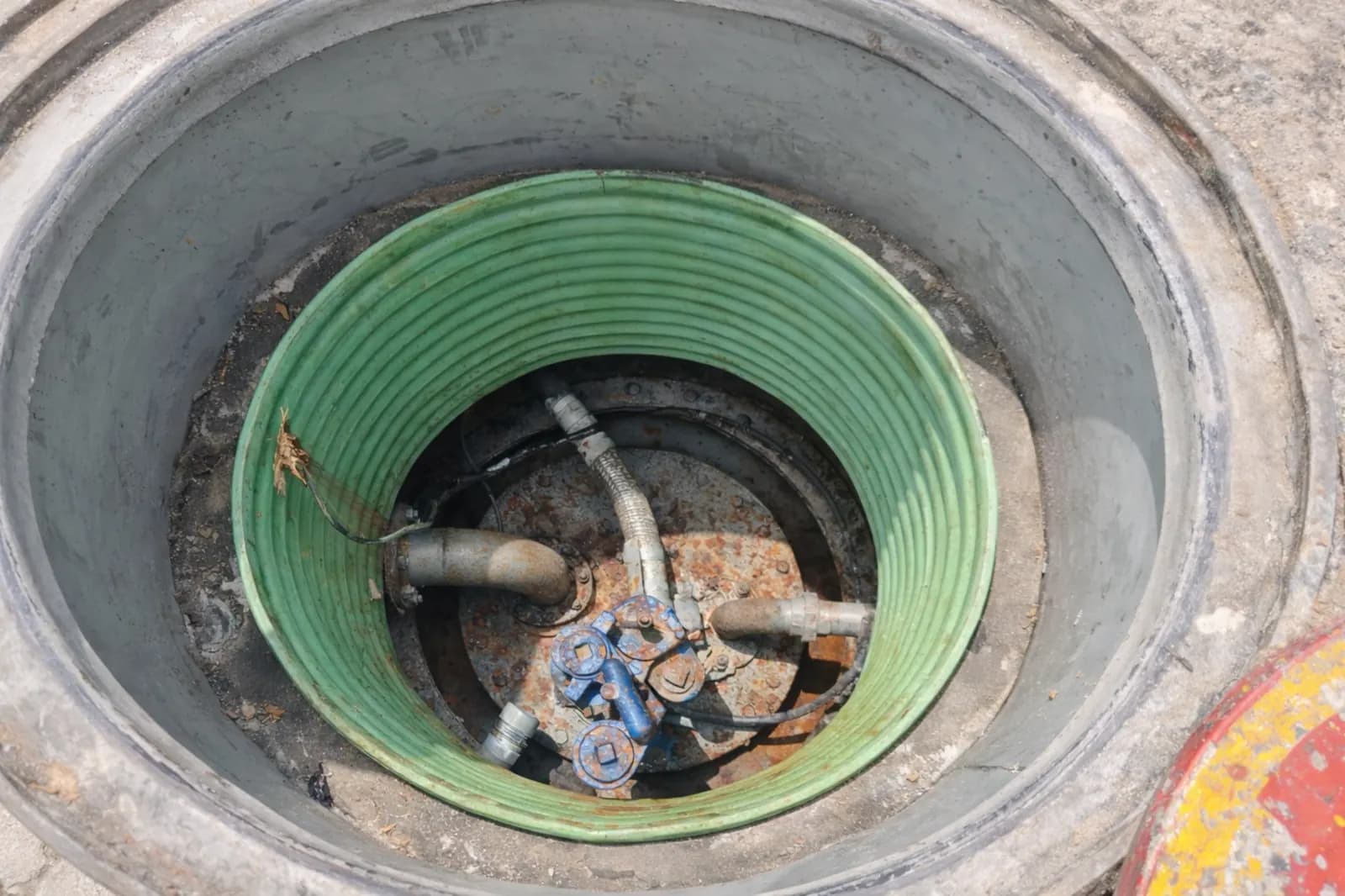
A reverse-engineering assignment for an underground fuel tank, including thickness evaluation, technical redraw, and reference data reconstruction.
This work reconstructed the technical basis of Tangki Penimbun 1 at SPBU Coco 31.154.01 to provide usable engineering records where complete historical data was not available. The scope covered field-based parameter capture, dimensional verification, structural thickness evaluation, and recreation of technical information required for future technical reference.
Because complete technical records were unavailable, the work started with direct measurements, site information, and engineering assumptions based on accepted references.
The tank was checked through thickness evaluation and buckling-pressure verification to confirm whether the vessel remained structurally defensible.
The output includes recalculated technical data and redrawn engineering information so the asset can be referenced more reliably in future inspections.
The client needed a reliable technical record for an operating underground tank without depending on incomplete legacy documentation, while still maintaining engineering defensibility for future review and inspection.
We translated field observations and measured conditions into recalculated thickness checks, refreshed equipment data, and engineering redrawings so the asset could be referenced through a more structured documentation basis.
The reported head and shell thickness values are still acceptable against the minimum steel-thickness requirement used in the assessment.
The calculated buckling pressure is above the estimated external load, which supports the structural viability of the underground tank configuration.